
Nothing when you turn the key - or just one click?
Nothing when you turn the key - or a single click-narrows quickly to battery, starter, neutral safety, or immobilizer. Crank/no-start is a different branch once the starter spins.
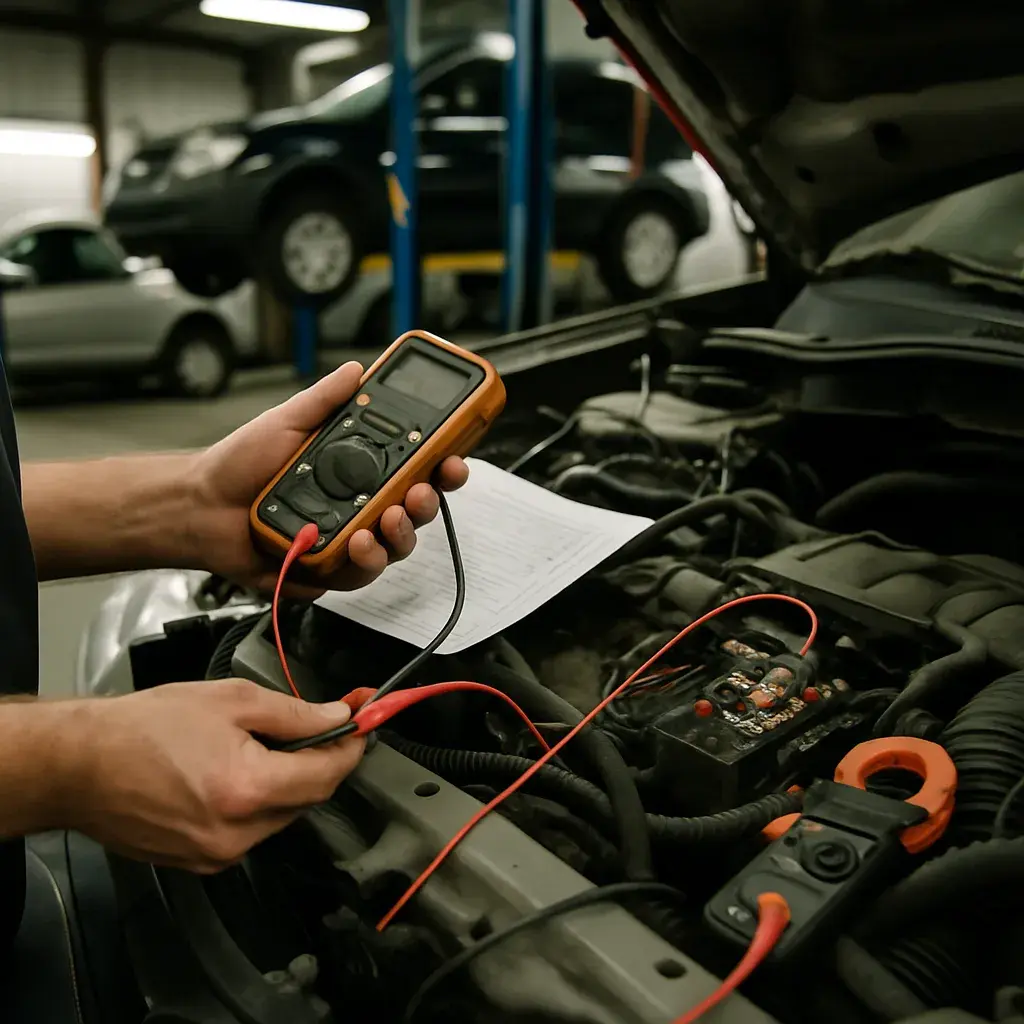
What drivers usually notice
Symptom language helps us narrow the inspection - not just the stored code.
What gets misdiagnosed
Common assumptions that lead to wasted parts and repeat visits.
- A common misdiagnosis: No crank is not the same as crank/no-start - the starter must spin before fuel and spark matter.
- One click is not always a bad starter - low voltage and solenoid failure look identical without testing.
- Jump-starting without finding why it died masks a charging or drain problem.
Shop-verified diagnostic insight
Findings from real diagnostic work in our shop - not generic marketing copy.
Nothing when you turn the key - or a single click-narrows quickly to battery, starter, neutral safety, or immobilizer. Crank/no-start is a different branch once the starter spins.
Nothing when you turn the key - or just one click?. Nothing when you turn the key - or a single click-narrows quickly to battery, starter, neutral safety, or immobilizer. Crank/no-start is a different branch once the starter spins.
What this symptom commonly means
Possible causes we verify - not automatic replacements.
- Discharged or failed battery
- Starter motor or solenoid failure
- Corroded battery terminals or main ground
- Neutral safety or clutch switch open
- Immobilizer or key recognition fault
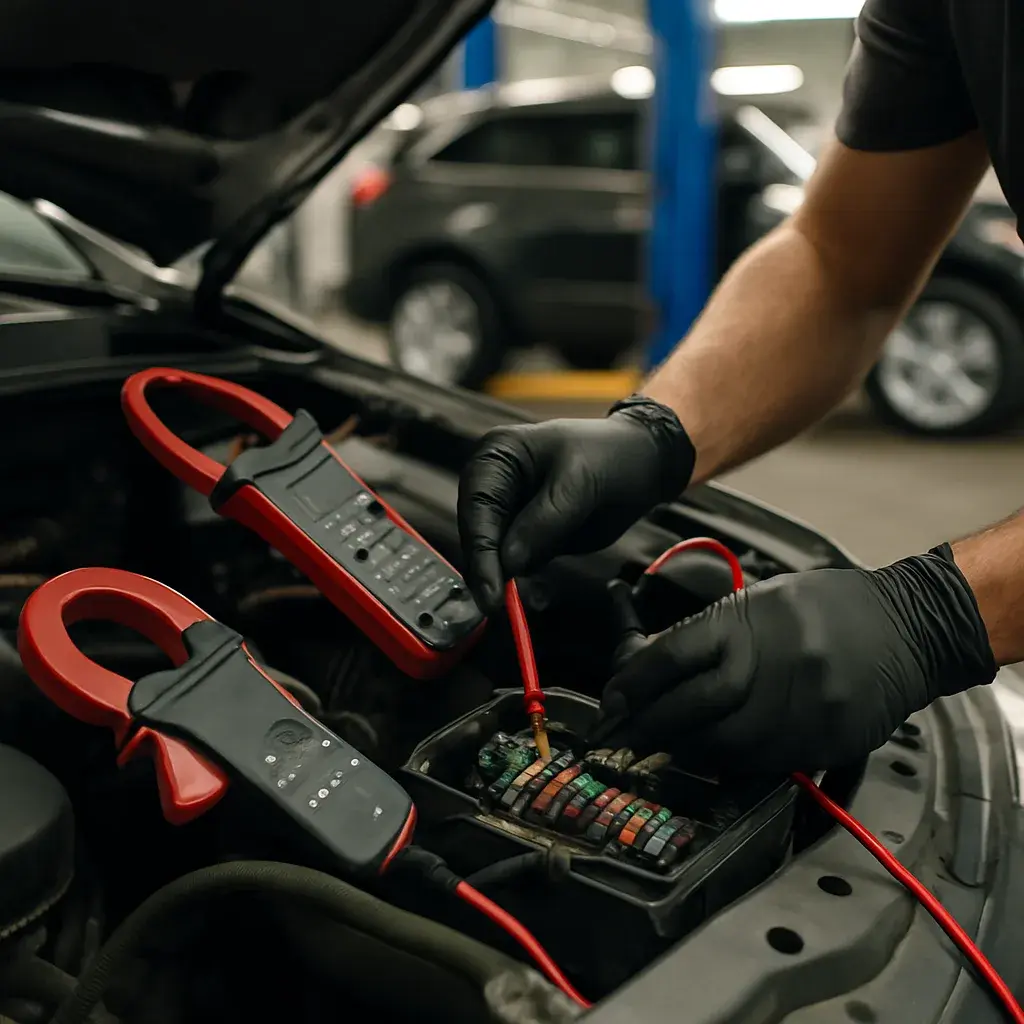
Verification pathways
How we confirm the failure before recommending parts and labor.
- Measure battery voltage at rest and during crank attempt
- Check terminal and ground resistance under load
- Verify starter trigger signal at solenoid during key crank
- Scan for immobilizer or security-related codes
- If engine cranks, branch to fuel/spark/compression testing
Related systems
Related systems we inspect during diagnosis - not a parts list.
- Electrical
- Ignition
Local driving context
Colorado Springs conditions change how some failures show up.
- Altitude and cold starts load the battery harder - weak batteries fail on the first sub-freezing morning, not on a warm afternoon.
- Short Fort Carson commutes may not fully recharge the battery between starts, masking a marginal pack until a cold day.
Frequently asked questions
- One click usually means what?
- Often low battery voltage or a failing starter solenoid - not always a bad starter motor.
- It started fine yesterday-could it still be the battery?
- Yes. Intermittent internal battery faults and terminal corrosion are common on cold mornings.
- Is replacing parts without testing enough?
- Often not. A common misdiagnosis is No crank is not the same as crank/no-start - the starter must spin before fuel and spark matter.. We verify the failure mode before recommending parts.
Service intake
Continuing from No Crank / Won't Start
Ready to verify no crank / won't start?
Tell us when the symptom appears and any recent service. We schedule diagnostic time at our Colorado Springs shop - not a parts quote over the phone.